
The Occupation’s Tightening Grip
All the Light We Cannot SeeThis flow traces how military control reshapes daily life in Saint-Malo and provokes increasingly risky resistance.
increasing Bearing strength in each event
 decreasing
Bearing strength in each eventdecreasingNew Rules
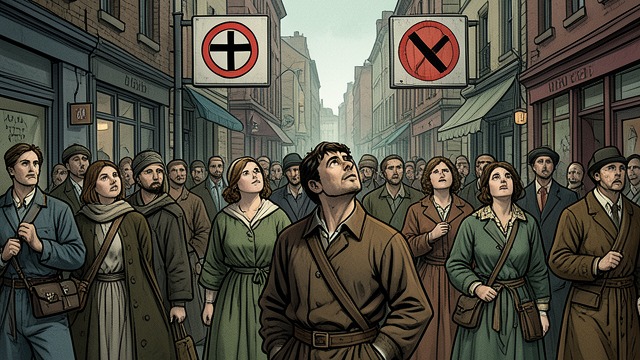
New Rules
Public restrictions
Curfews, blackout orders, and limits on gatherings reshape life in Saint-Malo. German forces control movement and use local resources.
Private adjustment
Residents learn to avoid attention, preserve food, and measure what can safely be said in public.
Occupation becomes an intimate pressure on habits as well as a military presence.
Radios Confiscated
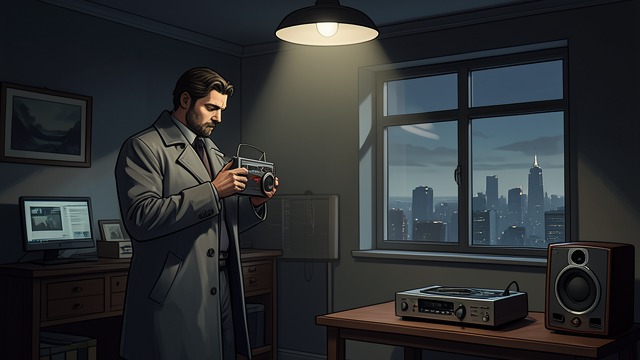
Radios Confiscated
Information controlled
Residents must turn in radio receivers, cutting off ordinary access to foreign news and broadcasts.
A hidden exception
Etienne’s transmitter survives because Marie-Laure does not mention it and the household conceals the attic entrance.
The order turns listening into a political act and makes radio equipment a source of danger.
Resistance Becomes Organized
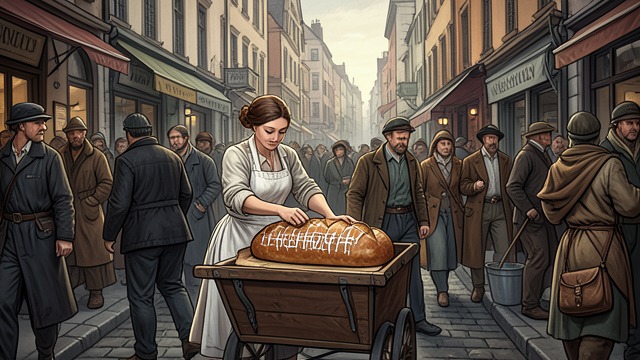
Resistance Becomes Organized
Everyday expertise
Madame Manec’s circle uses bakery deliveries, local knowledge, and coded messages to send information beyond the town.
Heightened stakes
As German authorities become more suspicious, a routine loaf can contain information capable of exposing the network.
The occupation’s administrative order creates both obstacles and the predictable patterns resistance can exploit.
Detention Threat
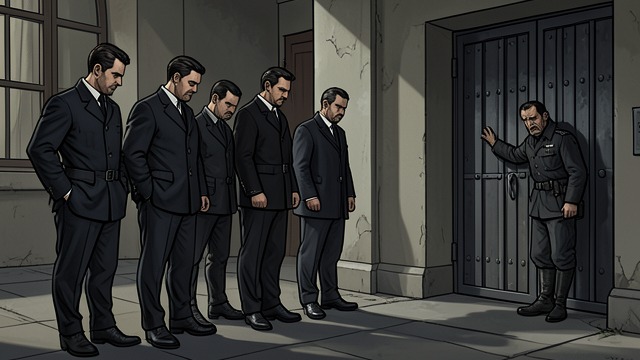
Detention Threat
Men ordered to assemble
German authorities begin detaining men of fighting age and sending them to Fort National. Etienne is among those seized while Marie-Laure remains alone.
Civilian vulnerability
The order separates families just as artillery threatens the city and the transmitter’s messages become more important.
Military control turns the coming battle into a direct threat to individual survival.
An Evacuation Window
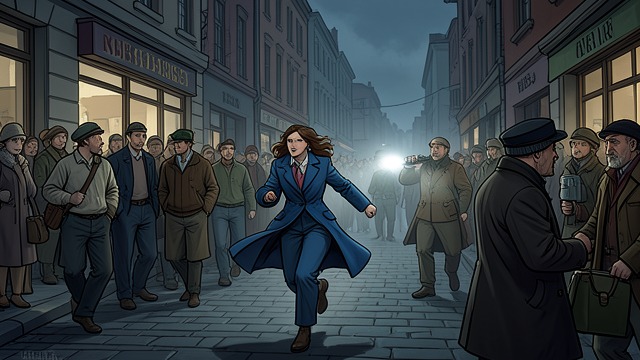
An Evacuation Window
Temporary pause
A cease-fire is announced to let civilians leave Saint-Malo, offering a narrow chance to cross streets still surrounded by fighting.
Escape under uncertainty
Werner guides Marie-Laure toward other civilians, then sends her ahead while he goes another way.
The pause is not peace, only a brief opening created by competing military pressures.
Summer 1940, after the occupation begins
1941, after the order to surrender receivers
1942, after the women’s meetings resume
7 August 1944, before the major bombardment
12 August 1944, during the announced cease-fire
